
The fascinating journey of gambling From ancient rituals to modern casinos
The fascinating journey of gambling From ancient rituals to modern casinos
The Origins of Gambling
The practice of gambling can be traced back thousands of years, with evidence appearing in various ancient cultures. Archaeological findings suggest that rudimentary forms of gambling existed in China as early as 2300 B.C. during the Shang Dynasty. Betting on the outcome of events, whether they were athletic contests or games of chance, was not merely a pastime but also often intertwined with rituals and spiritual beliefs, showing that gambling was deeply embedded in the social fabric of ancient societies. Today, players can find engaging experiences at places like lizaro casino, which draws on this rich history.

Similarly, the Greeks and Romans had their own versions of gambling, from simple dice games to elaborate betting on gladiatorial contests. The Greeks even had a deity for fortune, Tyche, which highlights how gambling was viewed as a blend of chance and divine intervention. This intertwining of fate and fortune set the stage for the complex views of luck and skill that would follow in the evolution of gambling.
The concept of gambling as a social activity gained momentum, and this led to the creation of various betting systems and games. As societies evolved, so did the forms of gambling, culminating in the emergence of organized games, which became popular throughout the Middle Ages. These early influences not only shaped gambling practices but also laid the groundwork for future advancements in gaming culture.
The Evolution of Gambling Games
As gambling transitioned through various historical epochs, games began to take on more structured formats. The invention of playing cards in the 9th century in China heralded a new era of gambling. These cards quickly spread to the Islamic world and then to Europe, leading to the development of numerous card games that are still played today. Popular card games like poker and blackjack have their roots in this era, showcasing the evolution from simple betting to games requiring strategy and skill.
During the 17th and 18th centuries, the emergence of casinos marked a significant transformation in gambling. The first modern casino, the Casino di Venezia, was established in Italy in 1638, offering a controlled environment for gambling. This innovation not only popularized various games but also legitimized gambling as a form of entertainment in society. The allure of luxurious establishments attracted the wealthy, setting the stage for the opulence associated with modern casinos.
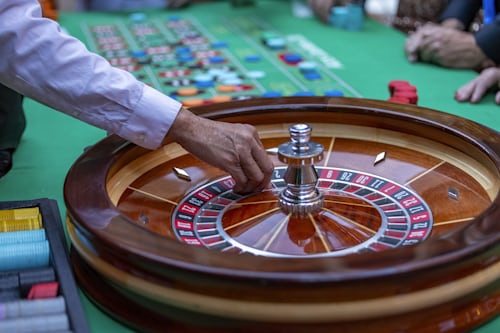
The 19th century brought about the introduction of slot machines and roulette, leading to a further expansion of gambling options. These inventions made gambling accessible to the masses, democratizing the experience and making it a staple of leisure activities. The establishment of regulations and licensing also began during this period, laying the groundwork for the modern gambling industry.
The Impact of Technology on Gambling
The arrival of technology in the late 20th century revolutionized the gambling industry. The development of the internet provided a platform for online gambling, allowing players from around the world to access their favorite games from the comfort of their homes. This marked a significant shift in how gambling was perceived, making it more convenient and attracting a broader audience. Online casinos now offer a plethora of games, including live dealer options that mimic the in-person experience.
Mobile technology further accelerated this transformation. With the advent of smartphones, gambling became even more accessible. Players could now enjoy gaming on-the-go, leading to the rise of mobile casinos and apps that provide seamless user experiences. Innovative features, such as live streaming and virtual reality, are now being integrated into online platforms, creating immersive gambling environments that enhance player engagement.
The impact of technology extends beyond convenience; it has also influenced gambling strategies and player behavior. Data analytics and AI tools are increasingly being utilized to understand player preferences and patterns, enabling casinos to tailor their offerings and marketing efforts. This technological integration signifies not just a trend but a fundamental shift in the gambling landscape, making it a dynamic and continuously evolving field.
The Cultural Significance of Gambling
The cultural significance of gambling cannot be understated, as it reflects societal values, norms, and attitudes toward risk and reward. In many cultures, gambling is seen as a rite of passage or a means to test one’s luck and fortune. This cultural acceptance varies widely; in some societies, gambling is frowned upon, while in others, it is celebrated through festivals and events that integrate traditional games with modern practices.
Moreover, gambling has been a significant driver of economic growth in various regions. Destinations known for their casinos, such as Las Vegas and Macau, have become synonymous with entertainment and tourism, drawing millions of visitors. These locations not only contribute to local economies through job creation but also shape societal perceptions of gambling as a glamorous and desirable activity.
In addition, gambling has inspired countless works of art, literature, and film, further embedding it into the cultural consciousness. From novels exploring the psychology of gamblers to films depicting high-stakes poker games, the theme of gambling has served as a metaphor for life’s uncertainties and risks. This cultural portrayal continues to evolve, reflecting changes in society’s views on luck, chance, and fate.
Modern Gambling: A Glimpse into the Future
Today, the gambling landscape is more diverse than ever, with a mix of traditional casinos and innovative online platforms. One of the newest entrants into this space is Lizaro Casino, which has quickly gained popularity since its launch in 2025. With over 10,000 games, including top slots and live casino options, it caters to a wide range of player preferences, ensuring there’s something for everyone.
Lizaro Casino emphasizes user experience, offering a generous welcome bonus of 250% up to €3,000 and 350 free spins. This kind of incentive not only attracts new players but also enhances their gaming experience right from the start. Coupled with a robust commitment to player security through data protection standards, Lizaro Casino positions itself as a trustworthy option in the online gaming market.
As we look to the future, the gambling industry is set to continue evolving with advancements in technology and changing consumer expectations. Lizaro Casino exemplifies this modern approach with its mobile-first design, fast payout options, and acceptance of cryptocurrencies, ensuring a seamless experience that aligns with contemporary players’ demands. This innovative spirit underscores the exciting trajectory of gambling, showcasing its ability to adapt and thrive in a digital age.